
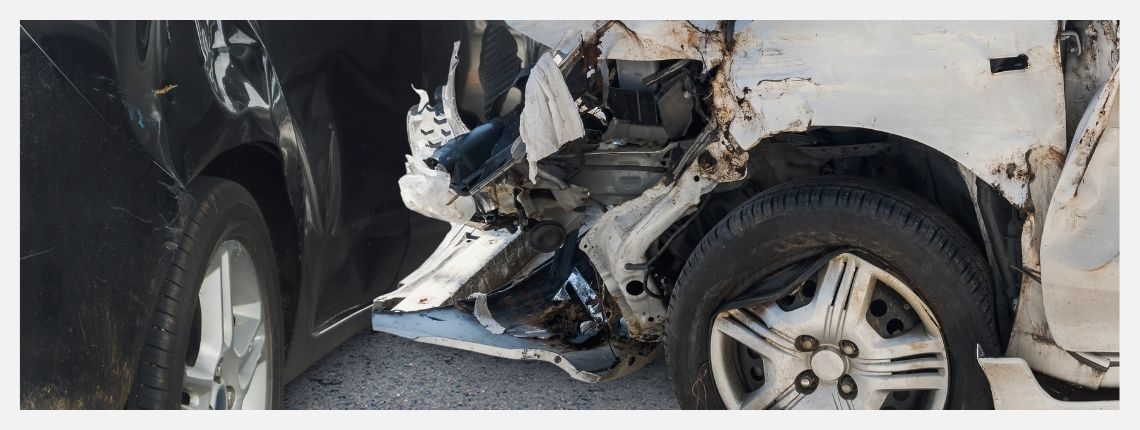
Car accidents can range from minor collisions to devastating crashes that permanently alter a person’s life. While some injuries heal with time, injuries often create lasting medical, financial, and personal consequences that extend far beyond the initial recovery period.
Understanding how these car accident injuries affect a personal injury claim is essential. In cases involving catastrophic injuries, the focus is not only on immediate medical treatment but also on long-term care needs, future losses, and the overall impact on a person’s ability to live and work as they did before the accident.
Under Colorado law, individuals injured due to another party’s negligence may be entitled to recover compensation for both their current and future losses. When catastrophic injuries are involved, evaluating those losses often requires a comprehensive understanding of how the injury will affect every aspect of a person’s life. Serious and catastrophic car accident cases require careful evaluation and a clear understanding of what the law allows to obtain maximum compensation.
What Is Considered a Catastrophic Injury?
A catastrophic injury is a severe injury that results in long-term or permanent impairment, disability, or loss of normal function. These injuries typically require extensive medical treatment and can permanently change a person’s quality of life.
Common examples of catastrophic injuries in car accidents include:
- Traumatic brain injuries (TBI)
- Spinal cord injuries
- Paralysis, whether partial or complete
- Severe burns
- Amputations
- Multiple complex fractures with long-term complications
- Permanent nerve damage
What distinguishes catastrophic injuries from more typical accident-related injuries is their lasting impact. These are not injuries that resolve after a short period of treatment. Instead, they often require ongoing care, rehabilitation, and long-term planning.
For example, while a broken bone may heal within several months, a traumatic brain injury or spinal cord injury can require lifelong medical care, rehabilitation, and significant adjustments to a person’s daily life. These long-term and often permanent consequences make catastrophic injury claims far more complex because they affect an individual’s health, financial stability, ability to work, and overall quality of life.
The long-term effects of a catastrophic injury extend well beyond the initial medical diagnosis. They often affect an individual’s health, finances, and personal well-being for years to come.
Medical Challenges
Recovery from a catastrophic injury is typically complex and ongoing. Many individuals require emergency medical treatment, surgery, and hospitalization immediately after the accident.
Recovery often continues long after a patient leaves the hospital and may include:
- Physical therapy and rehabilitation
- Ongoing specialist care
- Future surgeries or medical procedures
- Assistive devices such as wheelchairs or mobility aids
For many people, medical care continues for years or even a lifetime.
Financial Consequences
The financial impact of a catastrophic injury can be substantial. Victims often face significant medical expenses, ongoing treatment and rehabilitation costs, and lost wages during recovery.
Many are also unable to return to their previous line of work, resulting in diminished or lost earning capacity. These financial losses often extend far beyond what is immediately apparent after the accident and must account for both current and future needs.
Because of these long-term financial implications, calculating compensation requires far more than adding up current medical bills. It also involves evaluating future treatment costs, rehabilitation, and the long-term impact on earning capacity.
Personal and Emotional Impact
Catastrophic injuries also carry profound personal consequences that cannot be measured by medical bills or lost income alone.
These may include:
- Loss of independence
- Changes in family relationships
- Chronic pain or permanent physical limitations
- Anxiety, depression, or emotional trauma
- Reduced ability to participate in hobbies and everyday activities
These losses can significantly diminish quality of life and are an important part of evaluating the full impact of a catastrophic injury.
Why Catastrophic Injury Claims Are More Complex
Catastrophic injury cases are significantly more complex than standard car accident claims because the true cost of the injury extends far into the future.
These claims require careful consideration of long-term and future losses, including ongoing medical treatment, rehabilitation, personal care needs, and future lost income or reduced earning capacity. In severe cases, lifelong care requirements may also need to be evaluated.
To accurately assess these damages, attorneys often work with medical specialists, life-care planners, vocational experts, and economic experts who evaluate long-term prognosis, future care needs, and financial impact.
At the same time, insurance companies frequently dispute the severity of long-term injuries, question the need for future treatment, or attempt to minimize the overall value of the claim through early settlement offers that do not reflect the full scope of future losses.
Because of these challenges, careful preparation, expert analysis, and detailed supporting evidence are essential.
Insurance Challenges in Catastrophic Injury Cases
Insurance companies often begin evaluating serious car accident claims almost immediately after a crash.
Their goal is to assess liability and determine the value of the claim, but that assessment may occur before the full extent of a catastrophic injury is known.
As a result, early settlement offers may not account for future surgeries, ongoing rehabilitation, permanent disability, or lifelong care needs.
With decades of experience handling complex personal injury cases, Debbie Taussig has extensive experience negotiating with insurance companies and litigating complex personal injury claims. This includes understanding how insurers evaluate catastrophic injury claims, the timing of settlement strategies, and the tactics often used to minimize long-term value.
Thorough documentation, medical records, expert opinions, and evidence preservation all play an important role in presenting the complete impact of the injury.
The Importance of Understanding Future Losses
A key component of catastrophic injury cases is understanding and proving the full extent of future losses, many of which may not be immediately apparent after a serious car accident. These may include future medical expenses, surgeries, and ongoing medical care, future lost wages, loss of future earning capacity, and the inability to return to work or continue in the same profession.
In more severe cases, claims may also account for permanent disability, long-term care needs, and the ongoing impact of pain and suffering over a lifetime. These damages are supported through medical records, expert testimony, life care planning, vocational evaluations, and a clear assessment of how the injury will affect an individual’s health, employment, and financial stability over time.
Depending on the severity of the injury, future losses may also include:
- Life care planning
- Future surgeries, specialized medical treatment, and ongoing physician care
- Home or vehicle modifications
- Assistive medical equipment
- Long-term personal care or in-home support services
- Ongoing rehabilitation and specialized therapies
- Prescription medications and pain management
The goal is to evaluate not only today’s expenses, but also the resources an individual may need to maintain the highest possible quality of life in the years ahead while pursuing compensation that reflects the full extent of their current and future losses.
Contact a Car Accident Attorney
When a serious crash results in catastrophic injuries, early legal guidance can help ensure that evidence is preserved, long-term needs are fully evaluated, and insurance companies are held accountable for the full impact of the injury.
Debbie Taussig Law represents individuals and families throughout Boulder, Denver, and across Colorado in complex car accident and catastrophic injury cases. If you or a loved one has been seriously injured, our team can help you understand your rights and next steps. After being injured in a car accident alongside her mother, Debbie Taussig experienced firsthand the challenges of navigating the medical, legal, and insurance systems. That experience continues to shape the thoughtful guidance and client-centered advocacy she brings to every case.
Since 2001, Debbie has represented individuals and families throughout Colorado in some of the state’s most complex personal injury and catastrophic injury cases. Her careful preparation, trial-ready approach, and extensive experience working with medical experts and insurance companies allow her team to develop legal strategies tailored to the unique circumstances of every client and every catastrophic injury claim.
Call 303-442-0176 or contact us to schedule a consultation and discuss your case in more detail. We are here to guide you through the legal process and advocate for you every step of the way.