
Colorado Traumatic Brain Injury Attorneys
Guidance for Life-Altering Brain Injuries, Grounded in Experience and Care
A traumatic brain injury (TBI) is not always immediately visible. Many people leave an accident or fall believing they are “fine,” only to develop symptoms hours or days later. Even a concussion may be far more serious than it initially appears, particularly when symptoms continue or worsen over time. What seems minor at first can quickly develop into a serious medical condition with lasting consequences. Headaches, confusion, memory issues, or mood changes may appear gradually, making it difficult for individuals and families to understand the severity of the injury.
These cases are often overwhelming because the effects of a brain injury can disrupt every aspect of daily life, including work, relationships, and independence, while still being difficult to identify on standard medical imaging. In some cases, healthcare providers may refer to ongoing or permanent symptoms following a concussion as post-concussive syndrome, particularly when cognitive, emotional, or neurological symptoms persist long after the initial trauma. The uncertainty surrounding diagnosis and recovery can make early decisions especially important.
At Debbie Taussig Law, we represent individuals and families in Boulder and throughout Colorado in traumatic brain injury and catastrophic injury cases involving serious, long-term neurological harm. With more than 20 years of personal injury litigation experience, our firm provides structured legal guidance in cases involving complex medical evidence and challenging questions about what comes next for injured individuals and their families.

20+
YEARS OF PERSONAL INJURY LITIGATION EXPERIENCE
Understanding Traumatic Brain Injury in Colorado
What Qualifies as a Traumatic Brain Injury?
A traumatic brain injury (TBI) occurs when a sudden impact, jolt, or penetrating force disrupts normal brain function during a catastrophic injury such as a car accident, truck accident, pedestrian accident, high-impact collision, or other serious trauma. National data from the Centers for Disease Control and Prevention (CDC) shows that traumatic brain injuries are a leading cause of death and disability, particularly in high-impact incidents such as motor vehicle collisions and falls.
TBIs range in severity from mild concussions to severe injuries involving permanent cognitive or physical impairment. Common classifications include:
- Mild TBI, often referred to as a concussion
- Moderate TBI, involving prolonged symptoms and cognitive disruption
- Severe TBI, involving long-term or permanent brain function impairment
Concussions are considered a form of traumatic brain injury, even when initial symptoms appear mild. In some cases, healthcare providers may refer to lasting or permanent traumatic brain injury symptoms as post-concussive syndrome, particularly when problems involving memory, concentration, headaches, dizziness, mood changes, or cognitive function continue long after the initial trauma.
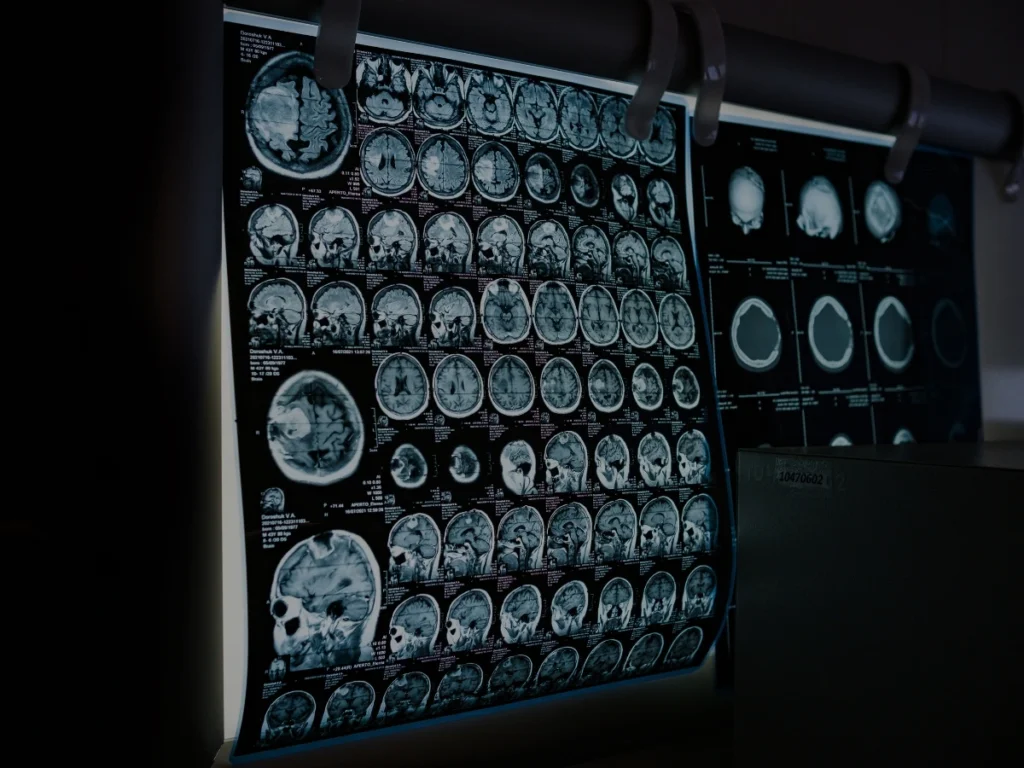
A key issue in many TBI cases is that imaging, such as CT scans or MRIs, may appear normal even when a person is experiencing significant symptoms. For this reason, diagnosis often relies on clinical evaluation, symptom progression, and specialized testing rather than imaging alone.
What Injuries and Events Cause TBIs?
Traumatic brain injuries typically occur when a person experiences a sudden force to the head or body that affects brain function. Common causes include:
- Motor vehicle collisions
- Truck accidents involving high-impact force
- Slip and fall accidents
- Premises liability cases involving unsafe property conditions
- Workplace accidents involving falls or equipment injuries
- Sports and recreational impacts
- Assault or physical violence
- Medical events involving oxygen deprivation
In many of these situations, the injury is caused by negligence, unsafe conditions, or preventable conduct. Identifying how and why the injury occurred is a key part of evaluating a potential legal claim.
Symptoms and Warning Signs of a Brain Injury
Brain injury symptoms can appear immediately or develop over time. In some cases, symptoms worsen as inflammation or neurological disruption progresses.
Common symptoms include:
- Headaches or persistent pressure in the head
- Dizziness or balance issues
- Memory loss or difficulty concentrating
- Confusion or slowed thinking
- Sensitivity to light or noise
- Sleep disturbances
- Mood changes, irritability, anxiety, or depression
- Difficulty performing familiar tasks
In concussion-related cases, some individuals continue experiencing symptoms for months or longer after the initial trauma. Healthcare providers may refer to these ongoing effects as post-concussive syndrome, particularly when cognitive, emotional, or neurological symptoms persist over time.
Because symptoms can evolve, documentation over time is often critical in both medical treatment and legal evaluation. Even subtle changes in cognition or behavior may indicate a more serious underlying injury.
Why Brain Injury Cases Are Often Disputed
Traumatic brain injury cases are frequently contested because the injury is not always visible on diagnostic imaging. This can lead to disputes about severity, causation, or whether symptoms are related to the incident at issue.
Common challenges include:
- Normal CT or MRI results despite ongoing symptoms
- Insurance arguments that symptoms are unrelated or pre-existing
- Variability in how cognitive symptoms present over time
- Need for specialized neurological and neuropsychological evaluation
- Reliance on subjective symptom reporting supported by medical evidence
Because of these issues, TBI cases often require detailed medical documentation and expert analysis to establish the full impact of the injury. A well-developed case often includes input from neurologists, neuropsychologists, and other specialists to support both diagnosis and long-term prognosis.
Compensation in Traumatic Brain Injury Cases
Traumatic brain injury claims are designed to account for both immediate and long-term consequences of neurological harm. Depending on the severity of the injury, compensation may include:
- Medical treatment and hospitalization costs
- Rehabilitation and cognitive therapy
- Future medical care and long-term support needs
- Lost income and reduced earning capacity
- In-home care or assistance with daily functioning
- Non-economic damages such as cognitive impairment, loss of independence, and changes in personality or quality of life
Because traumatic brain injuries often involve long-term or permanent cognitive and functional limitations, accurate valuation requires a forward-looking analysis of medical needs, vocational impact, and overall quality of life.
These cases frequently depend on detailed medical documentation, expert evaluation, and life care planning to fully understand the scope of future harm and financial loss. In more severe cases, long-term care may also be necessary to address ongoing support needs and reduced independence.
Why Clients Turn to Debbie Taussig Law After a Traumatic Brain Injury
Litigation-Ready Case Development
Cases are built for litigation from the start, especially when liability is disputed or when insurers undervalue injury. This includes early investigation, crash analysis, and medical coordination to document catastrophic injuries such as brain, spinal cord, and permanent disability.
Insurance Disputes and Full Value of Injury
Insurance carriers often challenge fault, coverage, or the extent of long-term damages. The focus is on fully documenting medical needs, future care, rehabilitation, and lost earning capacity. Debbie Taussig is well-practiced in dealing with insurance companies and challenging efforts to minimize or deny valid injury claims.
Extensive Trial Experience
Debbie Taussig is a Colorado-licensed attorney with more than 20 years of experience in serious personal injury and catastrophic injury litigation, including car accident and complex personal injury cases. Her work includes trial preparation, discovery strategy, expert coordination, and litigation in Colorado courts involving traumatic brain injury, spinal cord injury, and wrongful death.
Her practice is centered on helping injured clients focus on recovery while the legal case is managed with structure and clarity. Debbie Taussig Law takes a client-focused, women-led approach to catastrophic injury cases, combining experienced litigation strategy with direct communication, steady case management, and consistent advocacy against insurance companies throughout the process.
Frequently Asked Questions About Traumatic Brain Injury
What are the first signs of a traumatic brain injury?
Can you have a brain injury if imaging is normal?
How long do TBI symptoms last?
What is the difference between a concussion and a TBI?
How do you prove a traumatic brain injury in a legal case?
What compensation may be available in Colorado TBI cases?
Can TBI symptoms appear days after an accident?
How long do I have to file a TBI claim in Colorado?
Contact a Traumatic Brain Injury Attorney in Boulder, Colorado
Traumatic brain injury cases often require early medical documentation, careful evidence preservation, and a clear understanding of how symptoms may evolve over time. Prompt legal involvement can help protect critical evidence and support a more complete evaluation of the injury.
Debbie Taussig Law represents individuals and families in complex traumatic brain injury and catastrophic injury cases throughout Colorado, including those arising from car accidents, truck accidents, pedestrian accidents, and slip and fall incidents, as well as cases involving spinal cord injuries.
Our team is led by founding attorney Debbie Taussig, a trial lawyer with more than 20 years of experience handling complex personal injury and traumatic brain injury cases. Recognized by her peers for her work in personal injury law, she approaches each case with careful attention to medical evidence, liability, and long-term impact.
For families seeking clarity after a serious brain injury, early guidance can make a meaningful difference in how a case is evaluated and developed.
Call Debbie Taussig Law at 303-442-0176 or fill out the form to schedule a confidential consultation and receive clear, informed direction on your legal options.