
Colorado Wrongful Death Attorneys
When a Preventable Loss Changes Everything
A wrongful death does not just bring grief. Families are often blindsided by the sudden nature of the loss of a loved one, especially when it stems from circumstances that could have been prevented. In addition to emotional devastation, there is often confusion, financial strain, and an immediate sense of disorientation as families try to understand what happened and what comes next.
These moments can feel overwhelming and disorienting, as though the ground has shifted without warning. While no legal process can reverse the loss, Colorado law allows families to pursue accountability and financial recovery when negligence contributes to a loved one’s death.
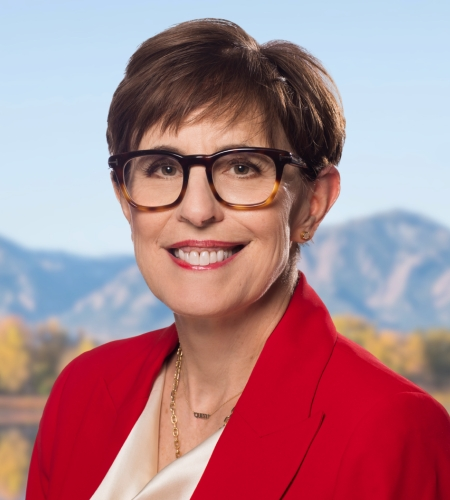
At Debbie Taussig Law, we represent families in Boulder and throughout Colorado in wrongful death and catastrophic injury matters. Founding attorney Debbie Taussig brings more than 20 years of personal injury litigation experience to these cases, providing structured legal guidance in difficult circumstances, with a focus on clarity, preparation, and long-term stability.

20+
YEARS OF PERSONAL INJURY LITIGATION EXPERIENCE
Understanding Wrongful Death Claims in Colorado
Compassionate Guidance Through the Legal Process
Wrongful death cases require both legal precision and sensitivity to what families are experiencing during an already difficult time.
Our practice is structured to provide focused attention, consistent communication, and direct attorney involvement from the beginning of the case through resolution.
Clients receive clear updates and straightforward explanations at each stage so they understand what is happening and what comes next. Our role is to manage the legal process so families are not burdened with navigating insurance companies, opposing counsel, or procedural complexity on their own.
Common Causes of Wrongful Death Cases in Colorado
Wrongful death cases arise when a preventable incident leads to the loss of life. These cases often involve a failure to follow safety standards, provide appropriate care, or act with reasonable caution under the circumstances. Common causes include:- Medical errors or failures in diagnosis and treatment
- Unsafe conditions in workplaces or public spaces
- Defective or dangerous products
- Negligent supervision or oversight
- Fatal incidents involving reckless or unlawful conduct
Who Can File a Wrongful Death Claim in Colorado?
Colorado law sets a clear structure for who may bring a wrongful death claim. These rules are based on the relationship to the deceased and the timing of the claim. Eligible parties may include:- A surviving spouse
- Children of the deceased
- A designated beneficiary in certain circumstances
- Parents or a personal representative of the estate, depending on eligibility
What Damages are Available in a Wrongful Death Case?
Wrongful death claims are intended to address both the financial and personal impact of a loss. Colorado law allows recovery for a range of damages tied to the death.
Economic damages may include:
- Medical expenses related to the final injury or illness
- Funeral and burial costs
- Loss of income and financial support
Non-economic damages may include:
- Loss of companionship and emotional support
- Loss of care, guidance, and protection
- Emotional grief and suffering
The scope of damages depends on the facts of the case, the relationship of the surviving family members, and the statutory framework governing wrongful death claims in Colorado.
How We Build a Wrongful Death Case
Wrongful death cases are handled through a structured process that begins with immediate investigation and the preservation of evidence.
This includes gathering medical records, incident reports, witness statements, and any available physical or digital evidence. The goal is to establish a clear factual timeline and identify all responsible parties.
When needed, qualified experts are engaged to evaluate medical findings, reconstruct events, or assess financial losses tied to the death. These analyses help establish both liability and damages with clarity and support.
Insurance coverage is also evaluated to determine all available sources of recovery. Once the case is fully developed, it is positioned for negotiation or litigation, depending on the strength of the evidence and legal posture of the opposing party.
Why Families Choose Debbie Taussig Law
Focused Representation for Complex Wrongful Death Cases
Families facing wrongful death cases are often navigating not only grief, but also urgent decisions about medical information, insurance communications, legal deadlines, and uncertainty about what steps should come next. The complexity of these matters, combined with the emotional weight involved, can make it difficult to know how to move forward or what information can be trusted.
Debbie Taussig Law is a Boulder-based personal injury firm with more than 20 years of litigation experience handling complex injury and wrongful death matters.
The firm is structured to handle high-stakes litigation with consistency and depth, including cases involving multiple parties, disputed liability, and significant damages. Its caseload model allows for sustained focus on complex matters that require detailed preparation and long-term case development.
Wrongful death cases are developed with careful evaluation of liability, damages, and available insurance coverage, supported by extensive litigation experience in Colorado courts.
Our Approach: Steady Advocacy During a Difficult Time
The legal process after a wrongful death can feel unfamiliar, technical, and difficult to navigate while a family is still processing their loss. A clear and organized approach helps reduce uncertainty and allows families to focus on what matters most.
At Debbie Taussig Law, clients receive consistent updates and straightforward explanations throughout their case. Legal developments, options, and next steps are communicated in practical terms so families always understand where the case stands and what comes next.
The process is handled with steady pacing and deliberate preparation, ensuring that decisions are made based on evidence, timing, and legal strategy rather than pressure or urgency. Whether a case resolves through settlement or proceeds to litigation, the focus remains on clarity, communication, and informed decision-making.
Frequently Asked Questions About Wrongful Death
What qualifies as a wrongful death under Colorado law?
Who is eligible to file a wrongful death claim?
Colorado law sets a specific order for who may file, typically beginning with a spouse, followed by children or other designated beneficiaries, depending on the timing and circumstances. If no eligible family members exist, the claim may proceed through the estate.
How long do families have to file a wrongful death lawsuit in Colorado?
What types of compensation may be available in these cases?
How is responsibility determined when multiple parties are involved?
Colorado follows a comparative fault system, meaning responsibility can be divided among multiple parties based on their level of fault. A claim can still proceed as long as the responsible party or parties meet the legal threshold for liability.
Do these cases always go to trial, or are they often resolved through settlement?
How are wrongful death settlements typically distributed among family members?
Contact a Boulder Wrongful Death Attorney
Families navigating the aftermath of a wrongful death often benefit from early legal guidance to help preserve evidence, clarify rights, and understand available options under Colorado law.
Debbie Taussig has over two decades of experience handling complex personal injury and wrongful death cases, with a focus on thorough case preparation and strategic litigation. As Boulder’s only women-owned personal injury law firm, our all-women team provides client-centered representation grounded in clear communication and careful case development.
To discuss your situation, call Debbie Taussig Law at 303-442-0176 or fill out the form and schedule a confidential consultation. Our team is available to answer questions, explain your legal options, and provide direction on next steps.